


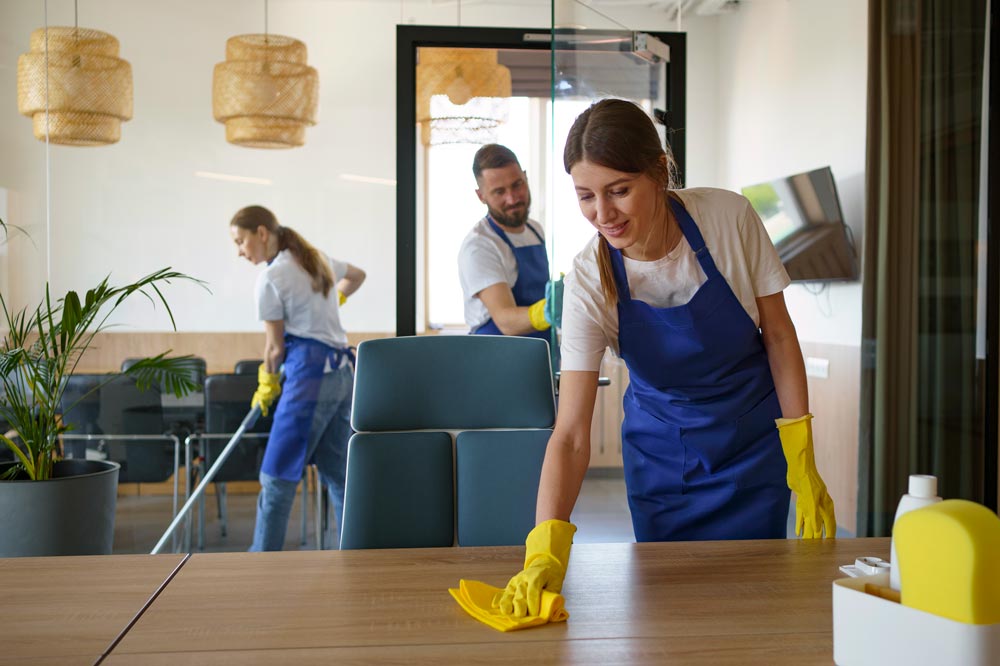
Living in Louisiana means enjoying rich culture, warm weather, and beautiful landscapes. It also means dealing with humidity, pollen, mold spores, dust, and everything else that loves to sneak inside and settle into a home. Over the years, I’ve learned that indoor air quality is not just about air filters or fancy machines. It starts with what sits on surfaces, hides in fabrics, and collects in corners.
Indoor air is constantly in motion. Every step across a floor, every ceiling fan turned on, and every door opened stirs up particles that were resting quietly. Dust, pet dander, pollen, and microscopic debris do not disappear on their own. They wait until something sends them back into the air.
That is where consistent cleaning changes everything.
When surfaces are cleaned regularly, fewer particles are available to circulate. Floors, baseboards, furniture, shelves, and decorative items all play a role. Even light dust that seems harmless eventually becomes airborne. Over time, this can contribute to congestion, allergies, and that stale feeling many homes develop without anyone quite knowing why.
Louisiana’s humidity adds another layer. Moisture encourages mold growth in bathrooms, kitchens, laundry rooms, and behind furniture placed near exterior walls. Mold spores are light enough to float through a home long before mold becomes visible. Regular cleaning, combined with moisture control, reduces the conditions that allow those spores to thrive.
Soft surfaces deserve just as much attention as hard ones. Rugs, couches, mattresses, curtains, and pillows hold onto particles far more than most people realize. These items act like giant filters that never get replaced unless someone intentionally cleans them. When fabrics are neglected, every movement releases tiny particles back into the air. Vacuuming with proper filtration, laundering regularly, and rotating cushions all help reduce that cycle.
Air vents and ceiling fans are another overlooked source. Dust builds up quietly in these areas. Once the system runs or the fan spins, that dust spreads evenly throughout the room. Cleaning these spots does more than improve appearance. It directly reduces what is being redistributed into the breathing space.
Bathrooms and kitchens often contribute to indoor air quality issues without being obvious. Steam, grease, soap residue, and food particles create ideal conditions for bacteria and mold. Routine surface cleaning, proper drying, and attention to grout and corners limit the spread of airborne contaminants from these rooms into the rest of the house.
Seasonal changes make consistency even more important. Spring brings pollen. Summer brings humidity. Fall introduces outdoor debris. Winter keeps doors and windows closed longer, trapping particles inside. Adjusting cleaning habits with the seasons keeps air quality balanced year-round.
One of the biggest misunderstandings about indoor air quality is the idea that deep cleaning once in a while is enough. Deep cleaning absolutely helps, but it works best when supported by regular maintenance. Light, frequent cleaning prevents heavy buildup. Heavy buildup always requires more effort and allows more time for particles to circulate.
Another important factor is product choice. Harsh chemical residues can linger in the air long after surfaces appear clean. Using appropriate products, applying them correctly, and allowing proper ventilation during cleaning keeps indoor air from being replaced by chemical irritation.
Indoor plants, pets, and even clothing contribute to what settles inside a home. None of these are problems on their own. The issue only appears when routine cleaning is not part of daily or weekly life. A home does not need to look dirty to have compromised air quality. Many homes look perfectly fine while quietly holding layers of invisible buildup.
Children, older adults, and anyone with allergies or asthma feel the effects of indoor air quality first. For everyone else, the effects often show up as fatigue, headaches, congestion, or lingering odors that seem impossible to identify. Cleaning does not solve every health issue, but it removes a major source of avoidable irritation.
There is also a long-term benefit that rarely gets discussed. Dust and debris shorten the life of HVAC systems, furniture, flooring, and fabrics. Regular cleaning protects not only health but also the home itself.
A simple routine makes a noticeable difference:
- Floors cleaned before heavy buildup forms
- Surfaces wiped consistently, not occasionally
- Fabrics washed and vacuumed on a schedule
- Vents and fans cleaned before dust becomes visible
- Moisture-prone areas kept dry and maintained
None of this requires perfection. It only requires consistency.
After years of working in homes across Baton Rouge, one pattern always stands out. Homes that feel fresher, lighter, and more comfortable are not necessarily the newest or largest. They are the ones that stay maintained.
Indoor air quality is something people rarely see, but everyone feels it. Regular home cleaning does not just change how a home looks. It changes how it breathes.
And when a home breathes better, everyone inside does too.

