


Commercial cleaning is one of those services most businesses do not think about… until something goes wrong.
A missed trash pickup. Streaky floors before a client meeting. Restrooms that clearly had a long day. Suddenly, cleaning becomes the most important topic in the building.
The reality is simple: commercial cleaning is not just about appearance. It is about health, safety, workflow, and long-term facility maintenance. Before booking a service, a few key considerations can make all the difference.
Start with Scope — What Actually Needs to Be Done?
Not all commercial spaces are the same. A medical office has different requirements than a retail store. A warehouse operates differently than a corporate office.
Routine commercial cleaning often includes:
- Dusting and surface wiping
- Vacuuming and mopping
- Restroom sanitation
- Trash removal
- Disinfection of high-touch surfaces
But some facilities require more. Floor stripping and waxing. Carpet extraction. Interior glass cleaning. Post-construction cleanup. Specialized sanitation protocols.
Defining exactly what the building needs — and how often — prevents confusion later. Clear scope leads to consistent results.
Frequency Matters More Than Most Realize
Daily cleaning may be essential for high-traffic environments. Weekly or bi-weekly schedules may work for smaller offices.
The key is matching frequency to usage.
If a facility sees constant foot traffic, waiting too long between services can create buildup that becomes harder to manage. On the other hand, overscheduling can strain budgets without delivering added value.
An honest assessment of building activity levels helps determine the right schedule.
Industry Regulations Should Not Be an Afterthought
Certain industries must follow specific sanitation standards. Medical facilities, food service establishments, and laboratories have regulatory requirements that go beyond basic cleaning.
Understanding OSHA guidelines, safe chemical handling procedures, and proper disinfecting protocols is essential in those environments.
Compliance protects employees, customers, and the business itself.
Insurance and Accountability Are Important
Commercial cleaning often happens after business hours. Teams work around equipment, confidential materials, and valuable assets.
Verifying liability coverage, bonding, and employee screening procedures is part of responsible planning.
Trust matters. Accountability supports that trust.
Supplies and Equipment — Who Provides What?
Some businesses prefer that a cleaning provider supply all equipment and chemicals. Others may want to provide certain consumables such as paper products or trash liners.
Clarifying these details upfront prevents misunderstandings.
A cleaning plan should specify:
- Who supplies chemicals
- Who supplies paper products
- Equipment used
- Product preferences
Clear expectations simplify operations.
Green Cleaning Considerations
Many Baton Rouge businesses now prioritize environmentally conscious practices. Low-odor, low-toxicity cleaning products and microfiber systems can reduce chemical exposure while maintaining sanitation standards.
Green cleaning is not about sacrificing effectiveness. It is about thoughtful product selection.
Discussing environmental preferences early allows alignment with company values.
Floors Deserve More Attention
Floors take more abuse than any other surface in a commercial space.
High heels, rolling chairs, carts, rainwater, mud — it all lands there first.
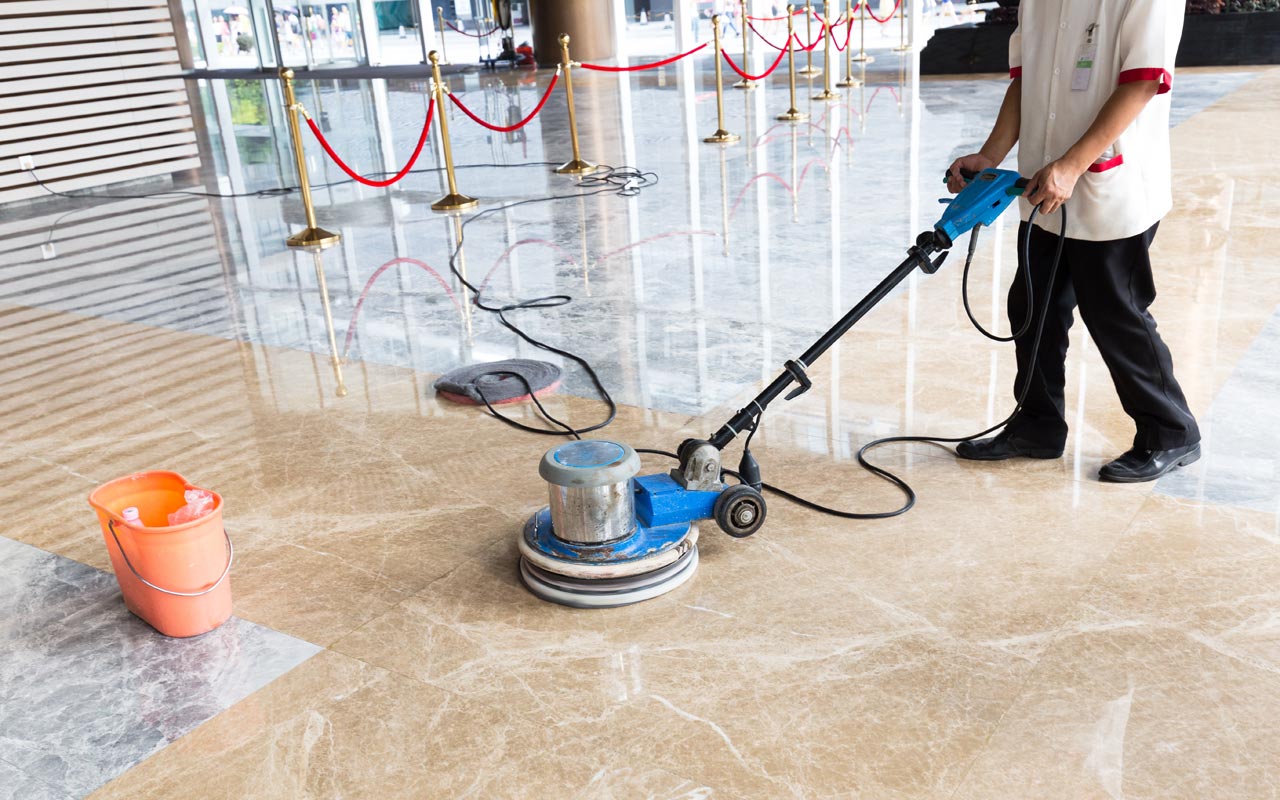
Regular maintenance protects appearance and reduces safety risks. Stripping, waxing, and deep cleaning should not be reactive services. They should be planned strategically.
Carpets also benefit from periodic extraction. Surface vacuuming removes debris, but deeper cleaning extends carpet life and improves air quality.
Floor care is an investment in long-term facility health.
Communication Is the Backbone
Even the most detailed contract cannot predict every situation.
Establishing a clear communication channel between facility management and cleaning teams ensures that small concerns do not become large frustrations.
Routine inspections and quality checks help maintain standards. Feedback allows adjustments before issues compound.
Commercial cleaning works best as a partnership, not a transaction.
Budget for Maintenance and Deep Cleaning
Routine cleaning keeps surfaces maintained. Periodic deep cleaning restores and preserves.
Seasonal changes, special events, and health-related concerns may require additional services beyond the standard schedule.
Planning for those needs prevents scrambling when something unexpected arises.
Baton Rouge Business Environments Are Diverse
From medical clinics to retail centers to industrial facilities, Baton Rouge businesses operate in varied environments. Each space presents unique challenges.
Humidity affects flooring. Foot traffic varies by industry. Equipment layouts influence accessibility.
A thoughtful approach considers the building’s specific characteristics rather than applying a one-size-fits-all solution.
Commercial Cleaning Is Preventative
The biggest misconception about commercial cleaning is that it is cosmetic.
It is preventative.
Consistent cleaning reduces illness transmission, maintains professional presentation, protects flooring investments, and supports employee morale.
A clean environment communicates structure and care.
Before booking a commercial cleaning service, take time to define scope, frequency, compliance needs, and quality expectations. Ask questions. Clarify details. Establish accountability.
When commercial cleaning is structured properly, it becomes part of a business’s operational foundation — not just an after-hours task.
And in a busy city like Baton Rouge, a well-maintained facility speaks volumes before anyone says a word.

