


A home is meant to be a place of comfort. After a long day, stepping through the front door should bring a sense of relief rather than the feeling that a cleaning project is waiting around every corner.
Daily life, however, naturally creates clutter, dust, and surface buildup. Cooking meals, walking through rooms, bringing groceries inside, and even relaxing on the couch all contribute to the gradual accumulation of particles and debris. Without routine attention, these materials begin collecting throughout the home.
Routine cleaning plays a key role in maintaining a healthier indoor environment. Regular attention to floors, surfaces, and commonly used areas helps reduce dust, allergens, and everyday contaminants that naturally appear in living spaces.
Dust is one of the most common things found in a home. Many people assume dust is simply dirt that drifts in from outside, but the reality is more complicated. Household dust is made up of a mixture of particles including fabric fibers, pet dander, pollen, soil, and even tiny fragments of skin cells.
These particles settle on shelves, furniture, floors, and window sills throughout the home. Walking through a room or adjusting furniture can stir that dust back into the air, allowing it to circulate through the space again.
Regular dusting and vacuuming help remove those particles before they build up. Removing dust from surfaces not only improves appearance but also contributes to cleaner indoor air.
Floors are another major collection point for debris. Shoes carry small particles of soil, sand, and outdoor debris into the home every day. Over time, those materials can spread through hallways, living rooms, and kitchens.
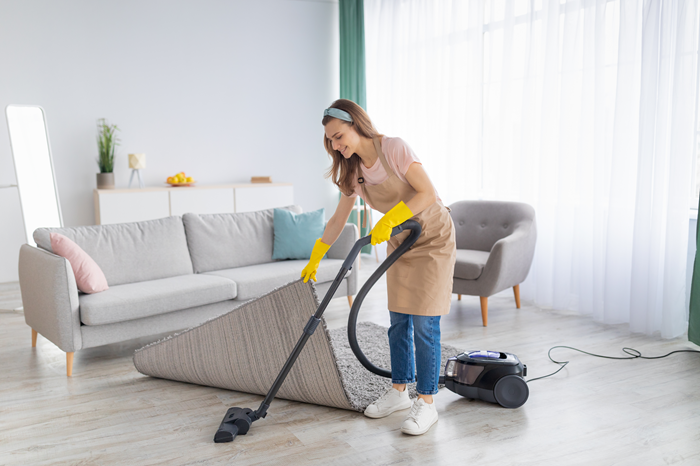
Sweeping, vacuuming, and mopping floors regularly helps prevent that buildup. In homes with carpet, vacuuming is especially important because carpets can trap dust and allergens deep within the fibers.
Pet owners often notice this effect quickly. Pet hair and dander can spread throughout a home much faster than most people expect. Regular vacuuming and surface cleaning help keep those particles under control.
High-touch areas within the home deserve particular attention as well. Door handles, light switches, countertops, appliance handles, and remote controls are touched repeatedly throughout the day. These surfaces can collect bacteria and residue through normal use.
Routine cleaning of these areas helps maintain overall hygiene within the home. Kitchen spaces, for example, benefit from frequent cleaning because food preparation naturally creates spills, crumbs, and grease residue.
Wiping down countertops, stovetops, and sinks after cooking helps prevent buildup that can attract pests or create odors over time. Cutting boards and food preparation areas also benefit from regular sanitation.
Bathrooms require consistent cleaning for similar reasons. Moisture from showers, sinks, and toilets can create conditions where mold and mildew begin to develop if surfaces are not cleaned and dried regularly.
Soap residue, mineral deposits, and water spots often accumulate in bathrooms as well. Routine cleaning helps remove these substances before they become difficult to manage.
Laundry rooms, entryways, and mudrooms also collect debris quickly. Dirt tracked in from outside can accumulate near entry points if not addressed regularly. Simple habits such as wiping surfaces and cleaning floors can prevent that debris from spreading further into the house.
Air quality inside a home is closely connected to cleaning routines. Dust and allergens that remain on surfaces eventually make their way into the air through normal activity. Removing those particles from surfaces helps reduce the amount of airborne debris circulating indoors.
Changing air filters within heating and cooling systems also contributes to maintaining cleaner indoor air. These filters capture dust and particles before they move through ventilation systems and into living spaces.
Seasonal changes can influence cleaning routines as well. During certain times of the year, pollen levels increase outdoors. Pollen can enter homes through open doors, windows, clothing, and shoes. Regular cleaning during these periods helps reduce pollen accumulation indoors.
Households with children often experience a slightly different set of cleaning challenges. Toys, snacks, craft supplies, and daily activity tend to spread across multiple rooms. Keeping surfaces organized and cleaning regularly helps maintain a more comfortable environment for everyone living in the home.
Routine cleaning also helps preserve the condition of furniture, flooring, and appliances. Dust and debris can gradually wear down surfaces if left unattended. Regular maintenance helps extend the lifespan of many household materials.
Establishing a consistent cleaning routine makes the process easier over time. Small tasks completed regularly often prevent larger cleaning projects from developing later.
A home does not need to feel perfectly spotless every hour of the day. Life happens, and activity is part of what makes a house feel lived in. The goal of routine cleaning is simply to maintain a healthy and comfortable environment where daily life can unfold without unnecessary buildup of dust, debris, and surface contaminants.
When those basic habits become part of the routine, maintaining a clean living environment becomes far more manageable.

