


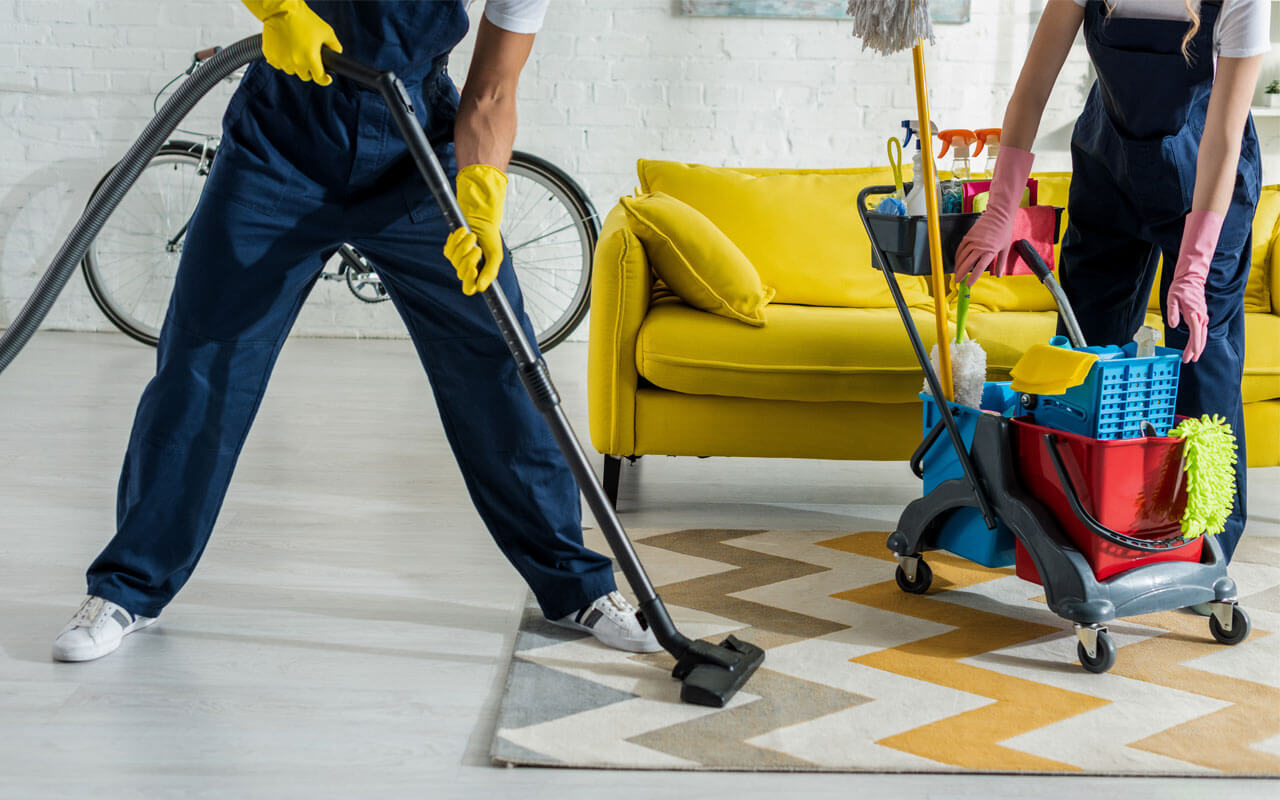
There’s clean… and then there’s cleaned up after things have been ignored for a while.
Those are two very different situations.
A regularly maintained space usually needs light work. Wipe things down, sweep, maybe a little scrubbing here and there, and everything stays in order. But when a space has gone untouched for weeks, months, or longer, it turns into something else entirely.
That’s where intensive cleaning comes in.
It’s not a quick pass through a room. It’s a process that works layer by layer until the space starts looking and functioning the way it should again.
The first thing that has to happen is taking a real look at the condition.
Not every mess is the same. Some spaces have surface dust and clutter. Others have grease buildup, stains, or residue that’s been sitting long enough to harden. Kitchens, bathrooms, and storage areas tend to show it the most, but it can happen anywhere.
Understanding what’s there determines how to approach it.
Once that’s clear, the space needs to be opened up.
That usually means removing loose debris, trash, and anything that’s blocking access to surfaces. It’s hard to clean what can’t be reached, so this step is about clearing the way for everything that comes next.
It might not look like progress right away, but it’s necessary.
After that, the real work begins.
Different types of buildup require different methods. Grease doesn’t respond the same way as dust. Mineral deposits behave differently than organic residue. Using the wrong approach can slow things down or make the job harder than it needs to be.
That’s why cleaning solutions are chosen based on what’s actually on the surface.
Once those solutions are applied, they need time to work.
This part gets overlooked a lot. Letting a product sit for the right amount of time helps break down buildup so it can be removed more effectively. Skipping that step usually means more scrubbing later.
And scrubbing is definitely part of the process.
Some materials come off easily. Others don’t. When buildup has been sitting for a long time, it tends to stick. That’s where physical effort comes in… brushes, pads, tools that help loosen what’s been settled into place.
It’s not always fast, but it’s how surfaces start coming back.
Fixtures and surfaces get extra attention.
Appliances, cabinets, floors, and walls all hold onto residue in different ways. Some areas may need to be treated more than once to fully remove buildup. That’s normal in a neglected space.
It didn’t get that way overnight, and it’s not going to clean up in one pass.
Once the visible layer is gone, the focus shifts to sanitizing.
Cleaning removes what can be seen. Sanitizing addresses what can’t. Bacteria and other contaminants need to be handled separately to bring the space back to a healthier condition.
This step is especially important in kitchens and bathrooms, where surfaces come into regular contact with people.
Air quality can also be part of the problem.
Dust, mold, and particles can build up in the air over time. Vents, returns, and filters often need attention to reduce that buildup. Cleaning the surfaces without addressing the air leaves part of the job unfinished.
Moisture is another factor that shows up in neglected spaces.
Bathrooms, kitchens, and any area exposed to humidity can develop mold or mildew if things aren’t maintained. Identifying those spots and treating them properly helps prevent the issue from coming back.
Odors tend to follow buildup.
When something doesn’t smell right, it’s usually because there’s still a source behind it. Covering the smell doesn’t fix the problem. The source has to be removed for the odor to go away.
That’s why odor removal is tied directly to cleaning, not separate from it.
Safety matters throughout the process.
Protective equipment, proper ventilation, and careful handling of cleaning products all play a role. Intensive cleaning can involve stronger solutions and more contact with contaminants, so it’s important to approach it the right way.
Time is something that can’t be rushed in these situations.
Trying to speed through an intensive cleaning usually leads to missed areas or incomplete results. Working step by step keeps everything moving in the right direction.
Once the space is back to a clean condition, the focus shifts to keeping it that way.
Regular maintenance doesn’t require the same level of effort. Simple, consistent cleaning prevents buildup from returning. It keeps the space manageable and reduces the need for another intensive cleanup down the line.
That’s the real benefit.
Intensive cleaning resets a space. It brings everything back to a point where normal upkeep can take over again.
It might feel overwhelming at the beginning, especially when a space hasn’t been touched in a while. But once the process starts and each layer is handled, the progress becomes clear.
Step by step, the space comes back.
And once it’s there, it’s a lot easier to keep it that way.

