


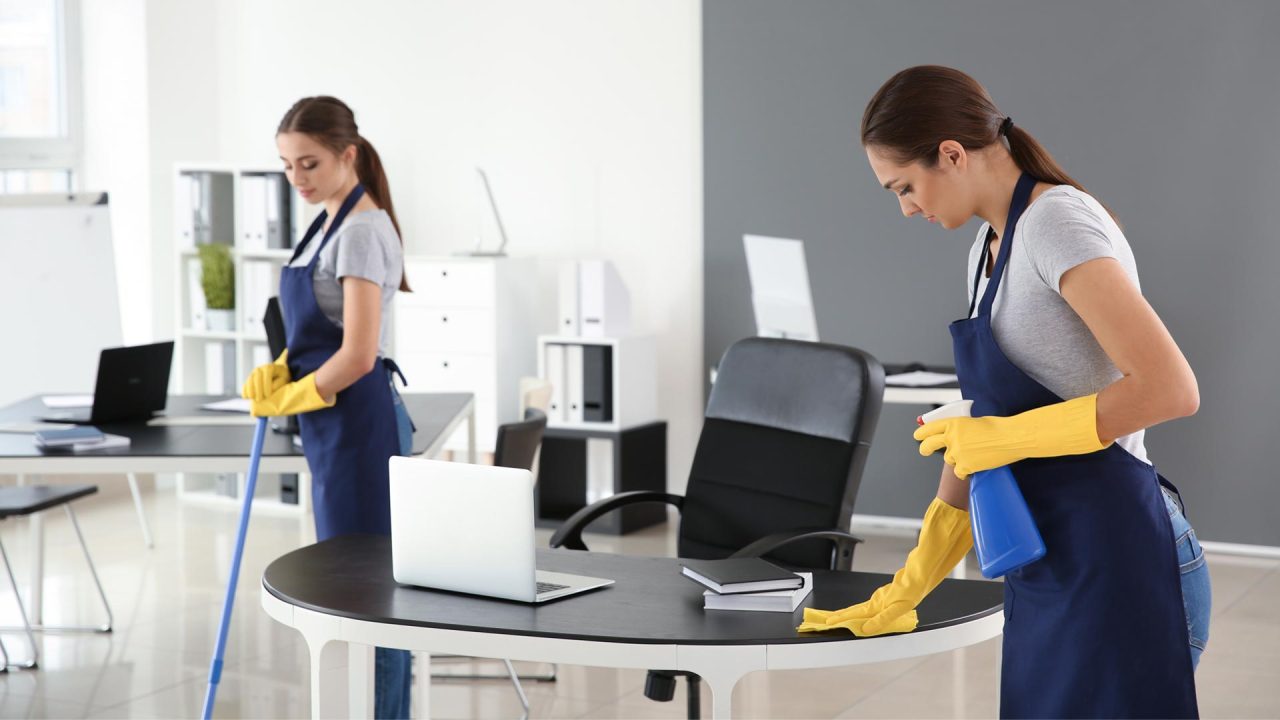
Office spaces have a rhythm to them. People come in, settle at desks, move through meetings, grab coffee, use shared spaces, and repeat that cycle day after day. What often goes unnoticed is everything that gets touched along the way.
That is where sanitation comes in.
Cleaning an office is not just about making things look presentable. It is about maintaining the surfaces and spaces that people interact with constantly. Over time, those interactions leave behind more than just fingerprints.
Desks are a good place to start.
They are personal spaces, but they still collect dust, debris, and whatever else comes through the day. Papers move around, hands rest on surfaces, and items are set down and picked up. Regular cleaning helps keep that space manageable, even when it is used heavily.
Then there are the shared areas.
Conference rooms, break rooms, and common workspaces see a lot of activity. People come and go, sometimes quickly, sometimes for extended periods. Tables, chairs, and equipment are used repeatedly. Without consistent attention, these areas can build up residue faster than expected.
High-touch surfaces are where sanitation really shows its importance.
Door handles, light switches, keyboards, phones, and shared devices are touched throughout the day. These are the spots that tend to get overlooked because they do not always look dirty. But they are used often enough that they need regular attention.
It is not about guessing. It is about recognizing patterns.
Restrooms require a different level of focus.
They are used frequently, and the expectations for cleanliness are higher. Fixtures, counters, floors, and touchpoints all need consistent care. When restrooms are maintained properly, they stay functional and comfortable to use. When they are not, it becomes obvious pretty quickly.
Break rooms bring their own challenges.
Food, drinks, and shared appliances all come into play. Counters, sinks, and tables can collect buildup if they are not cleaned regularly. Refrigerators and microwaves can turn into time capsules if no one pays attention. Keeping these spaces clean makes them easier to use for everyone.
Air quality is something people notice without always realizing it.
Dust settles on surfaces, but it also moves through the air. Floors, vents, and surfaces all contribute to how an office feels. Regular cleaning helps manage that buildup and keeps the environment more comfortable.
Scheduling makes a difference in how sanitation is handled.
Some areas need daily attention. Others can be maintained on a weekly or periodic basis. High-traffic zones usually require more frequent cleaning because of how often they are used. Less active spaces still need care, just not at the same pace.
Consistency is what keeps everything in balance.
Material type also matters.
Not every surface can be treated the same way. Glass, wood, metal, and electronics all require different approaches. Using the right method helps maintain the surface while still keeping it clean. It is not just about wiping things down. It is about doing it the right way.
Trash and waste management play a quiet but important role.
Bins fill up, paper accumulates, and packaging gets left behind. Regular removal keeps spaces from feeling cluttered and helps maintain order. It is one of those tasks that does not get much attention until it is missed.
Organization supports sanitation more than most people expect.
A cluttered desk or crowded workspace makes cleaning harder. When items are spread out or stacked up, it becomes difficult to reach every surface. Keeping things organized allows for more effective cleaning and better results overall.
Movement through the office affects how sanitation is approached.
Entryways, hallways, and shared paths see constant traffic. Dirt and debris get tracked in, especially during certain times of the year. These areas often need more frequent attention to keep up with the flow of activity.
Seasonal changes bring their own challenges.
Rain, humidity, and changing temperatures can affect how an office space holds up. Floors may need more care, and surfaces may require more frequent cleaning depending on conditions. Adjusting to those changes helps maintain consistency.
Tools and products used in cleaning matter as well.
Different surfaces and areas require different materials. Using the right tools helps get the job done without causing damage. It also makes the process more efficient.
Sanitation is not a one-time effort.
It is ongoing. It follows the daily rhythm of the office and adapts to how the space is used. When done consistently, it supports the environment without drawing attention to itself.
And that is usually the goal.
A clean office should not be something people have to think about. It should just feel right. Surfaces should be ready to use, spaces should be easy to move through, and everything should function the way it is supposed to.
When sanitation is handled properly, it becomes part of the background.
But if it is ignored… it becomes the first thing people notice.

